Personal Unconscious

In Jungian psychology, the personal unconscious contains experiences, perceptions, and emotionally charged material outside an individual’s present awareness.
In Jungian psychology, the personal unconscious contains experiences, perceptions, and emotionally charged material outside an individual’s present awareness.
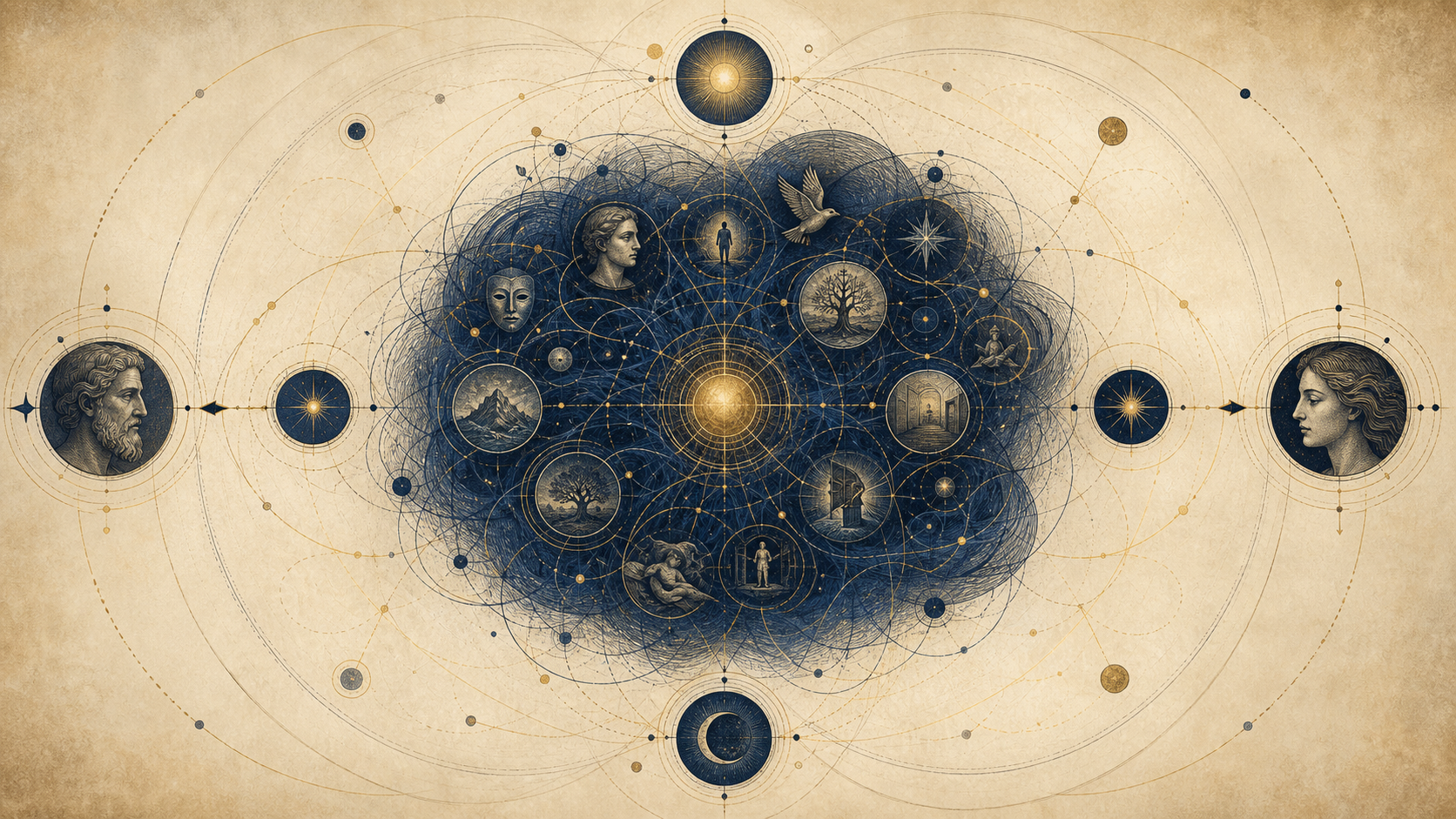
In Jungian psychology, a complex is an emotionally charged network of associations that can temporarily influence perception, emotion, and behavior.

Individuation is Jung’s term for the lifelong process of becoming a more differentiated and integrated psychological whole.
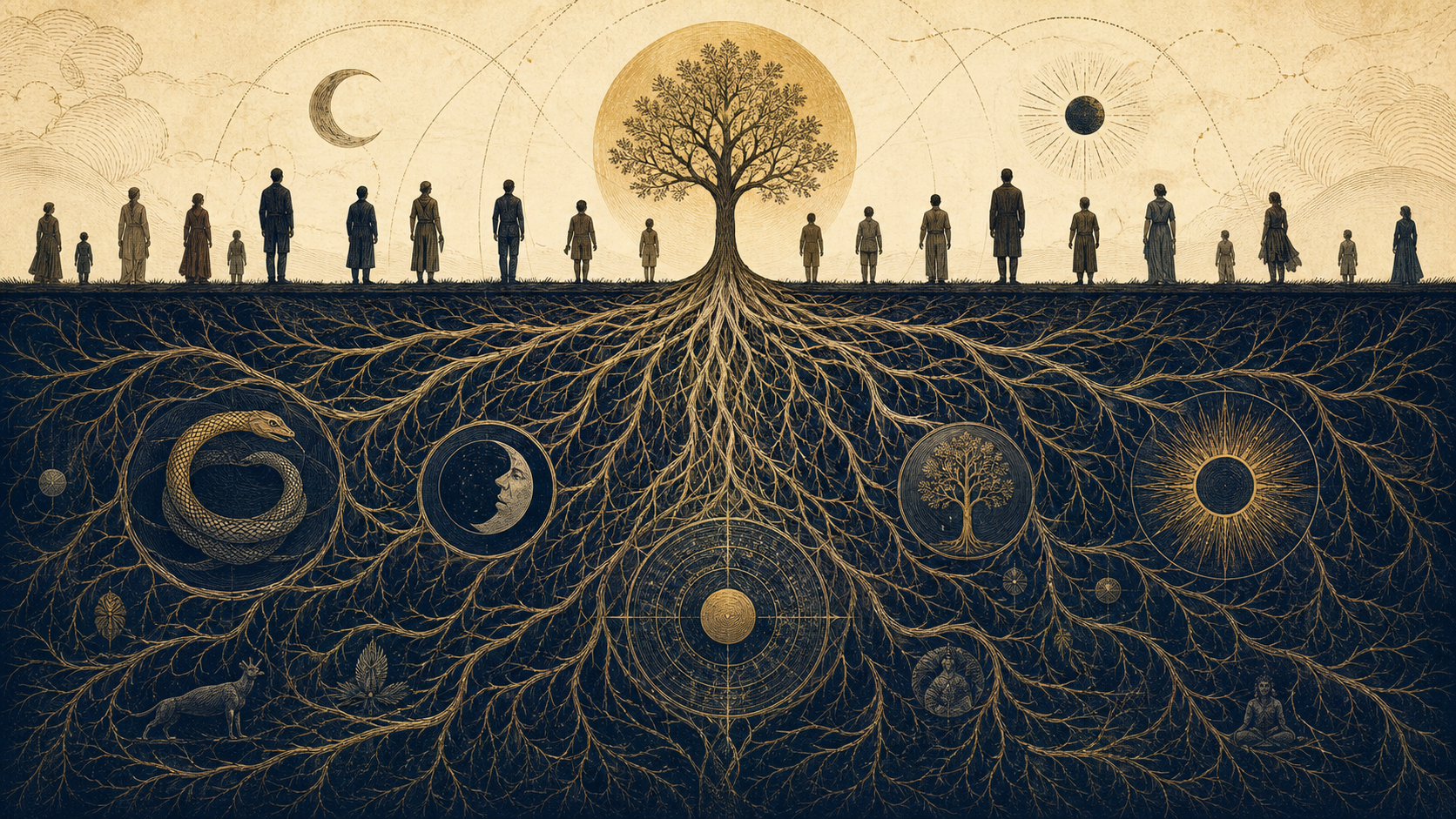
In Jungian psychology, the collective unconscious is a proposed inherited layer of the psyche expressed through universal patterns called archetypes.
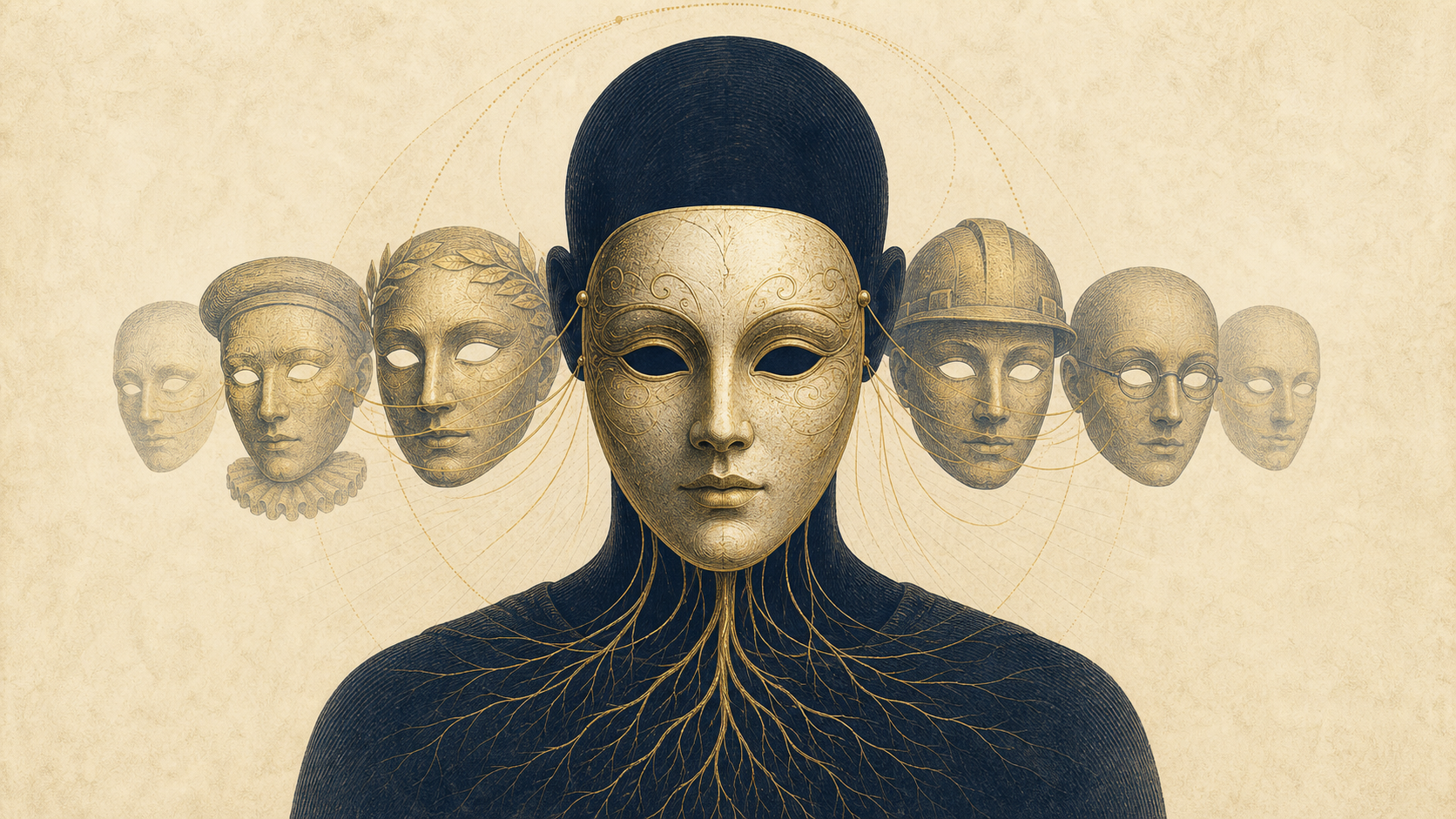
In Jungian psychology, the persona is the social identity or “mask” through which a person adapts to roles, expectations, and relationships.
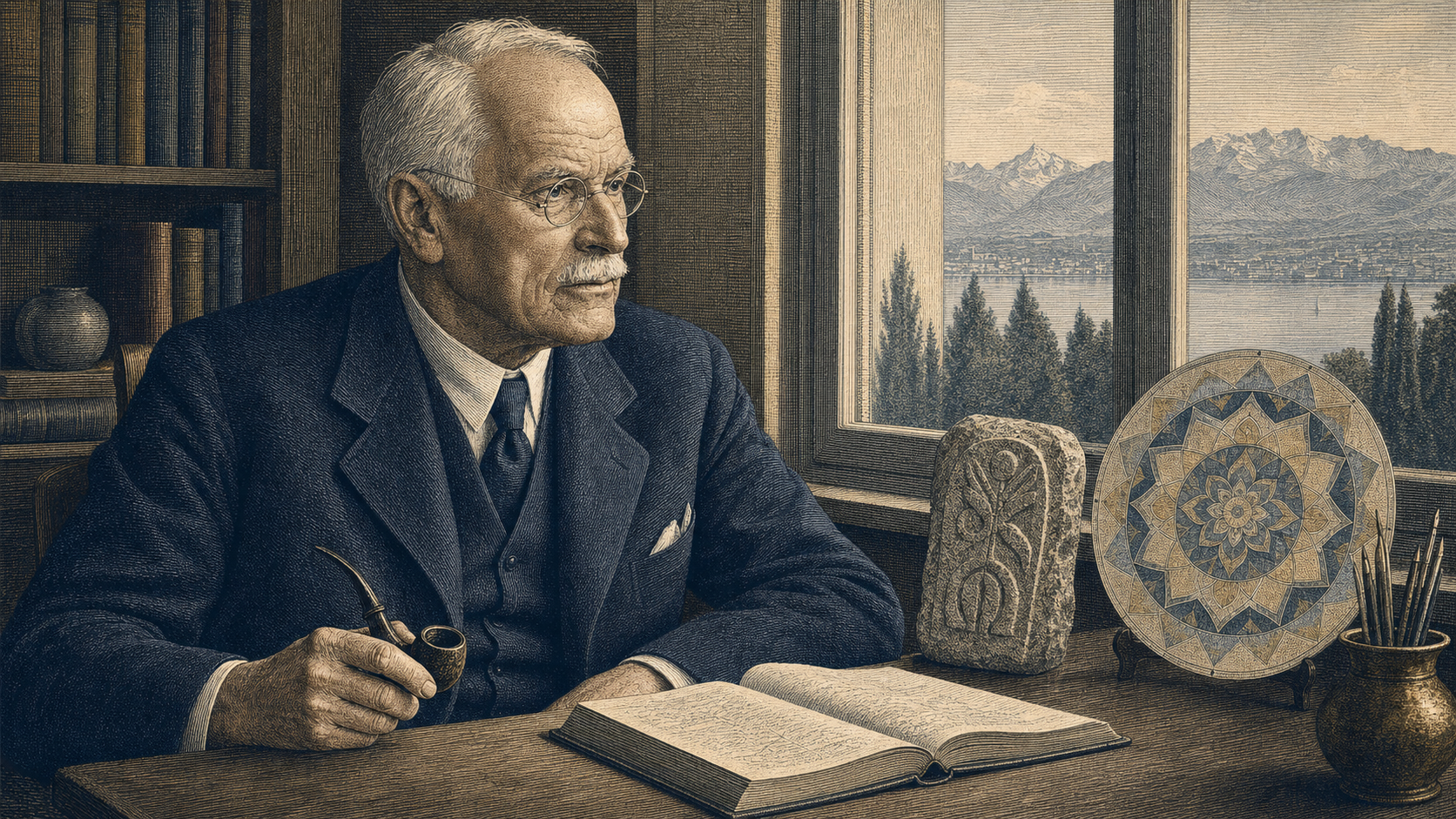
Carl Gustav Jung was a Swiss psychiatrist who founded analytical psychology and developed influential ideas about complexes, archetypes, the collective unconscious, psychological types, and individuation.
Learn how Carl Jung defined the shadow in Jungian psychology, why it forms, how projection appears, and what responsible shadow integration involves.

The Hero is an archetypal motif of confronting danger, overcoming an obstacle, and winning something that can contribute to greater consciousness or renewal.

Learn what shadow work means, try a grounded reflection exercise, understand projection, and recognize important safety limits.
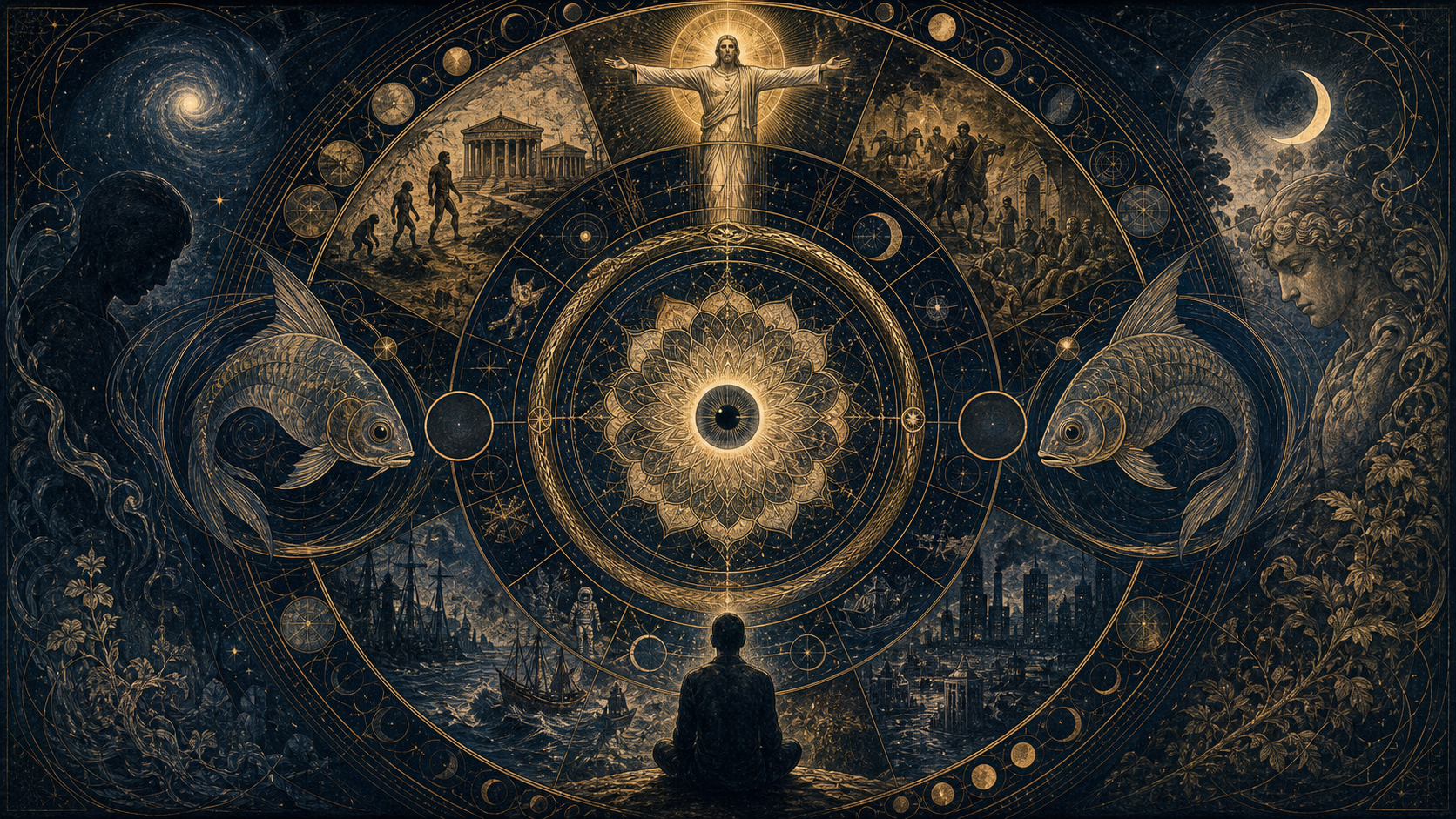
Aion is Jung’s advanced study of the Self, the shadow, opposites, and the religious, astrological, Gnostic, and alchemical symbols of psychological totality.
Search the knowledge base
Search concepts, archetypes, dream symbols, practices, people, books, self-checks, and worksheets.