The Psyche in Antiquity, Book One
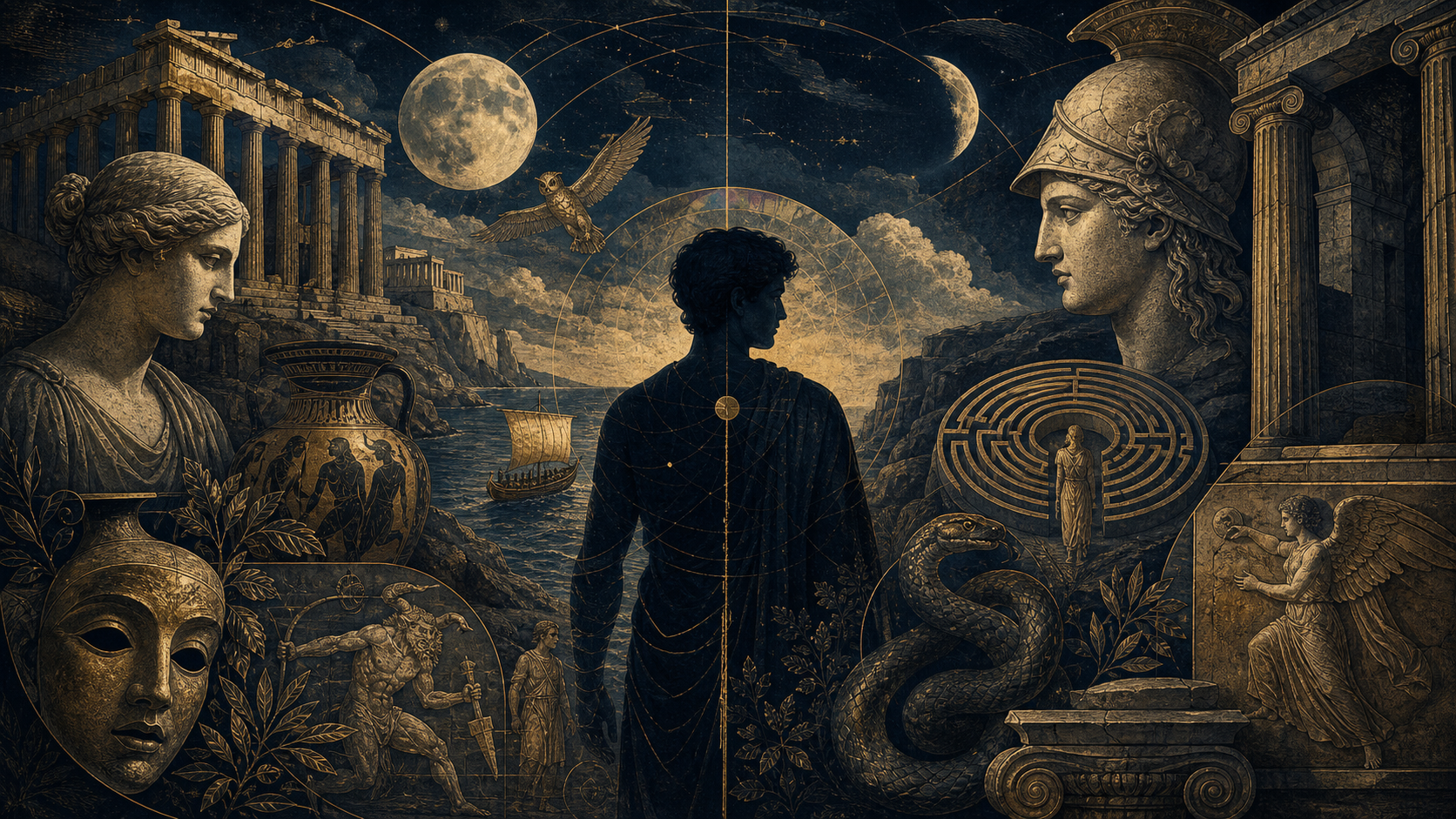
Edinger tracks psychic themes in early Greek philosophy, relating influential archetypal ideas to modern psychological experience.

Edinger tracks psychic themes in early Greek philosophy, relating influential archetypal ideas to modern psychological experience.
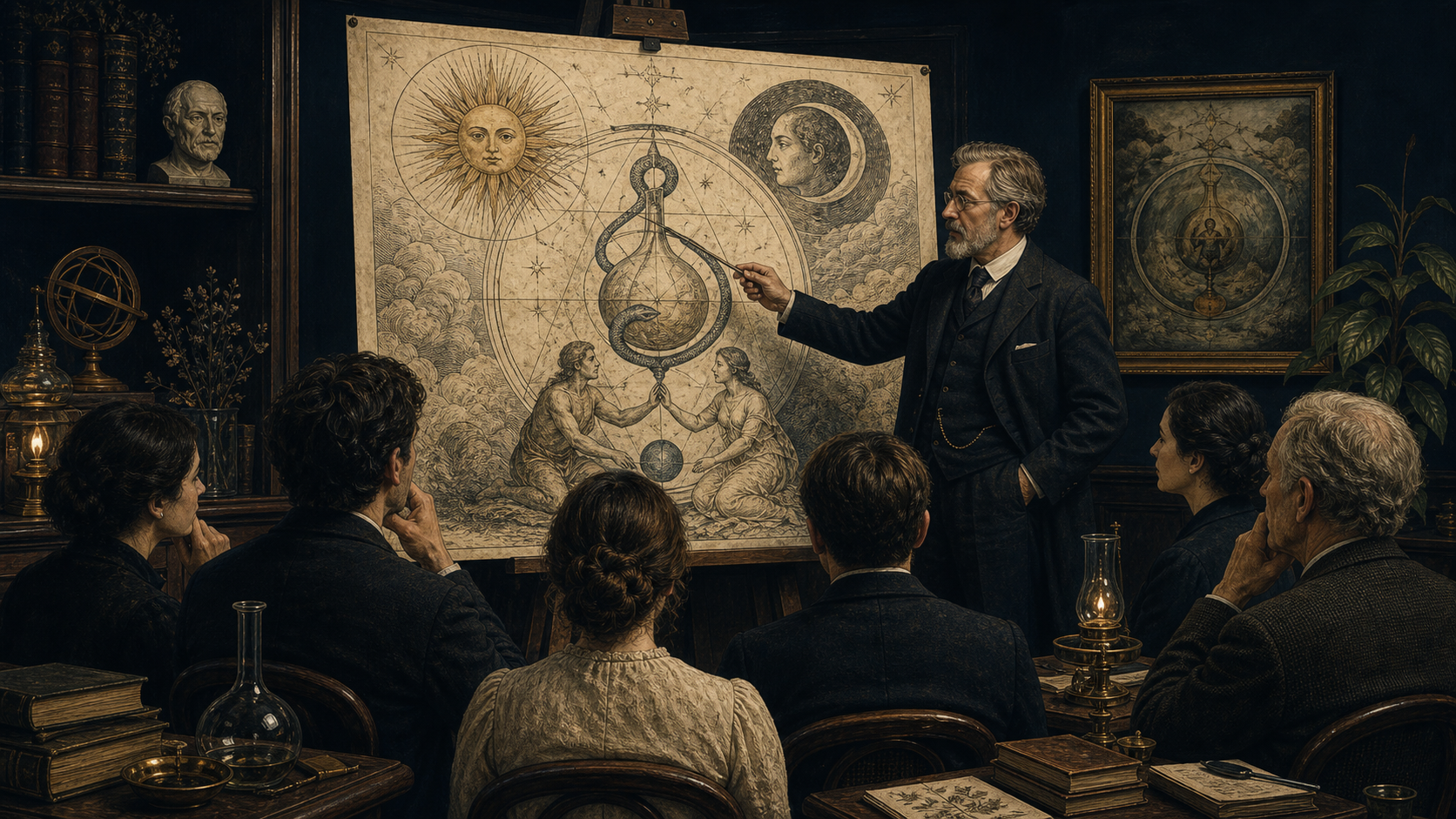
Edward F. Edinger guides readers through Jung’s Mysterium Coniunctionis and its difficult alchemical images of opposites, union, transformation, and individuation.

Edinger explores individuation symbolism in the Hebrew Bible’s historical books as expressions of encounters between ego, Self, archetypal imagery, and the numinous.

Edinger interprets the prophetic books from Isaiah through Malachi as a symbolic dialogue between the developing ego and the Self.

Edinger reads Goethe’s Faust as a portrait of the modern psyche, a symbolic account of depth analysis, and a guide to alchemical imagery.

Edinger interprets Moby-Dick as a dreamlike psychological document of descent, obsession, conflict with the unconscious, and the American psyche.

Five essays by Edward F. Edinger examine transference, therapeutic vocation, encounter with the greater personality, and analytical psychology as a science of the soul.
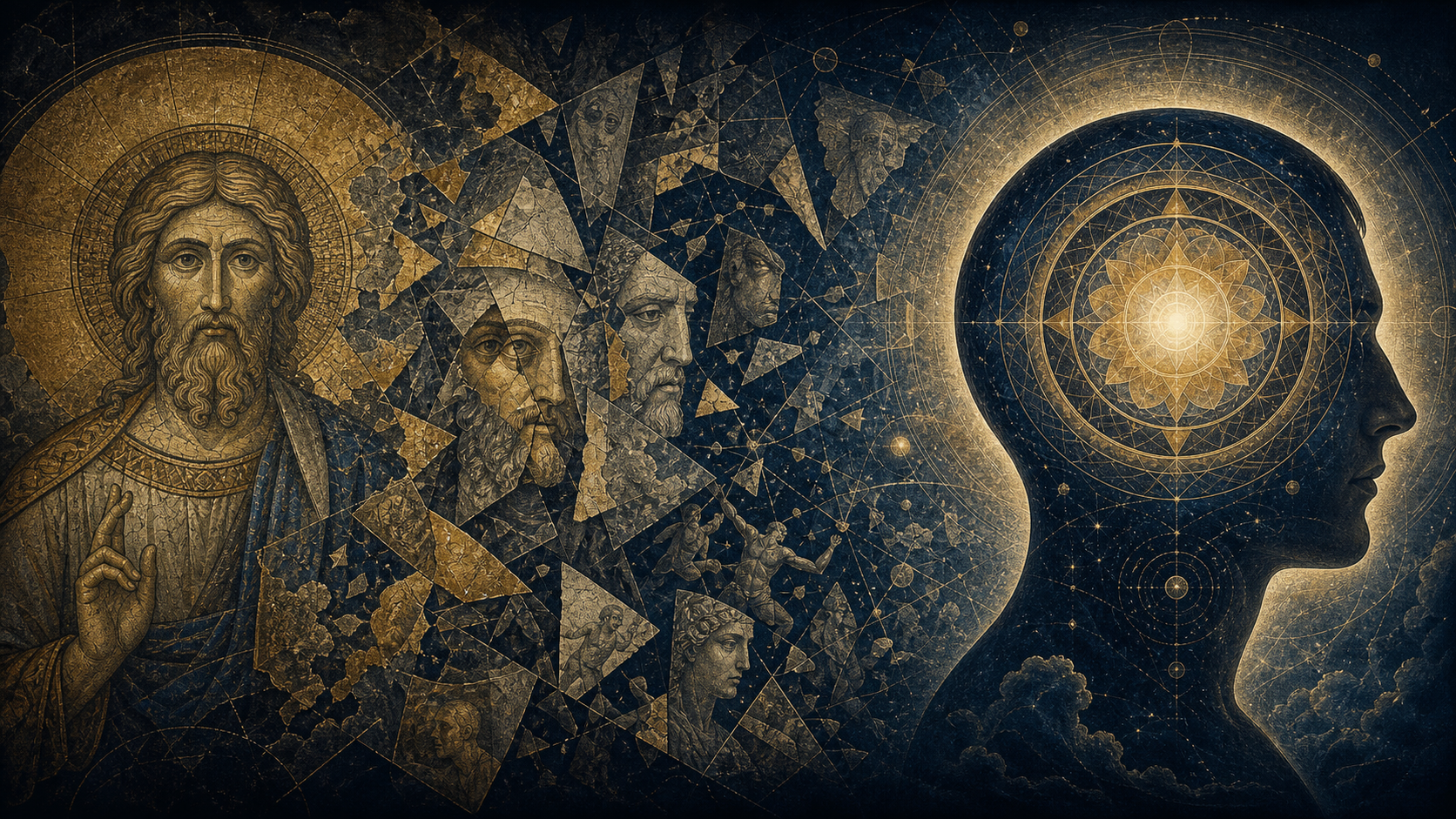
Edward F. Edinger clarifies Jung’s Answer to Job and its argument that consciousness transforms the psychic God-image.
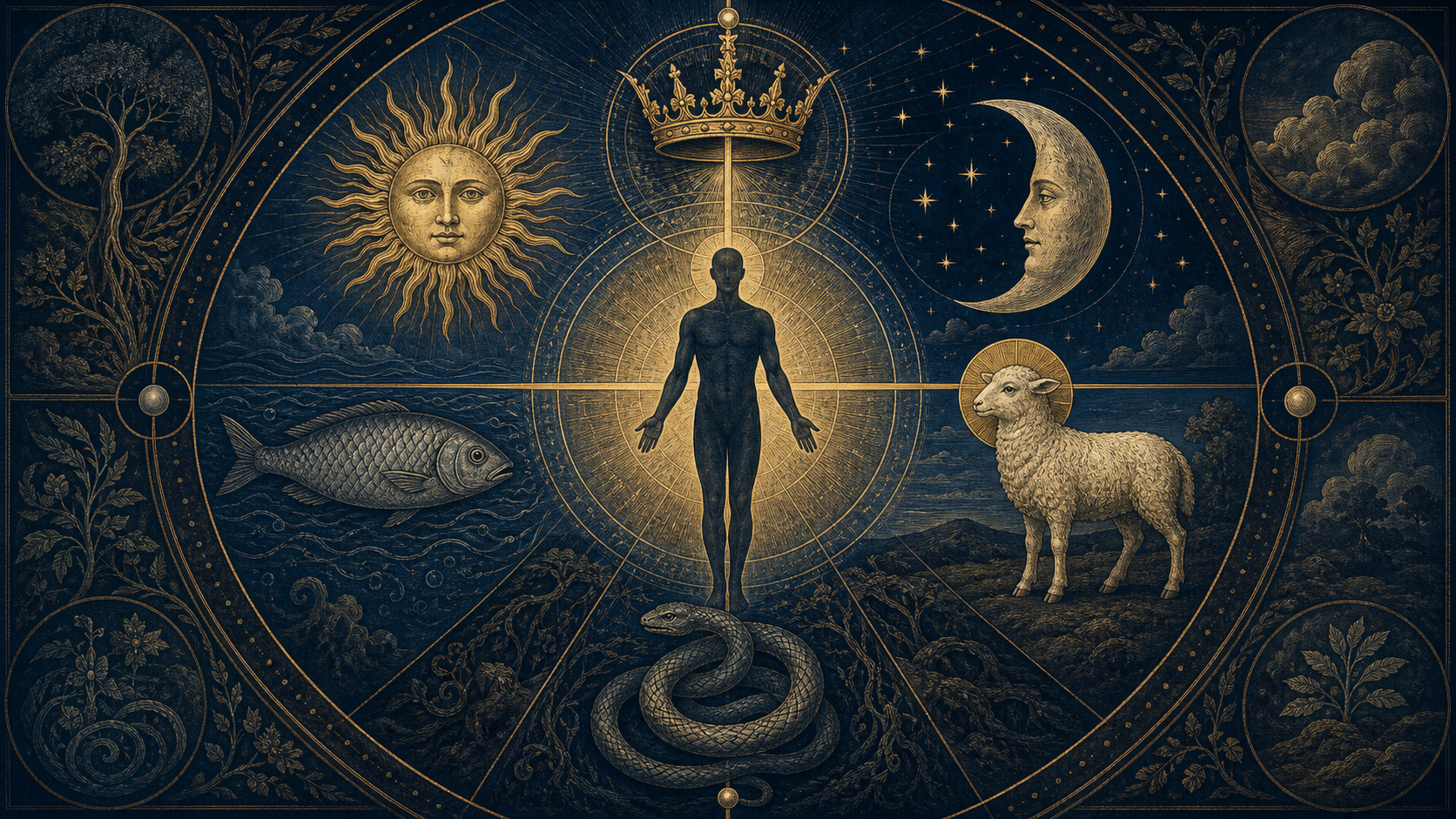
Edward F. Edinger interprets stages in the life of Christ through Jungian psychology as images of individuation and suprapersonal destiny.

Edward F. Edinger interprets William Blake’s illustrations of the Book of Job as a symbolic sequence involving suffering, transformation, and encounter with the Self.
Search the knowledge base
Search concepts, archetypes, dream symbols, practices, people, books, self-checks, and worksheets.