The Creation of Consciousness

Edward F. Edinger proposes a Jungian worldview in which individual consciousness participates in a larger search for knowledge, meaning, and psychic responsibility.

Edward F. Edinger proposes a Jungian worldview in which individual consciousness participates in a larger search for knowledge, meaning, and psychic responsibility.
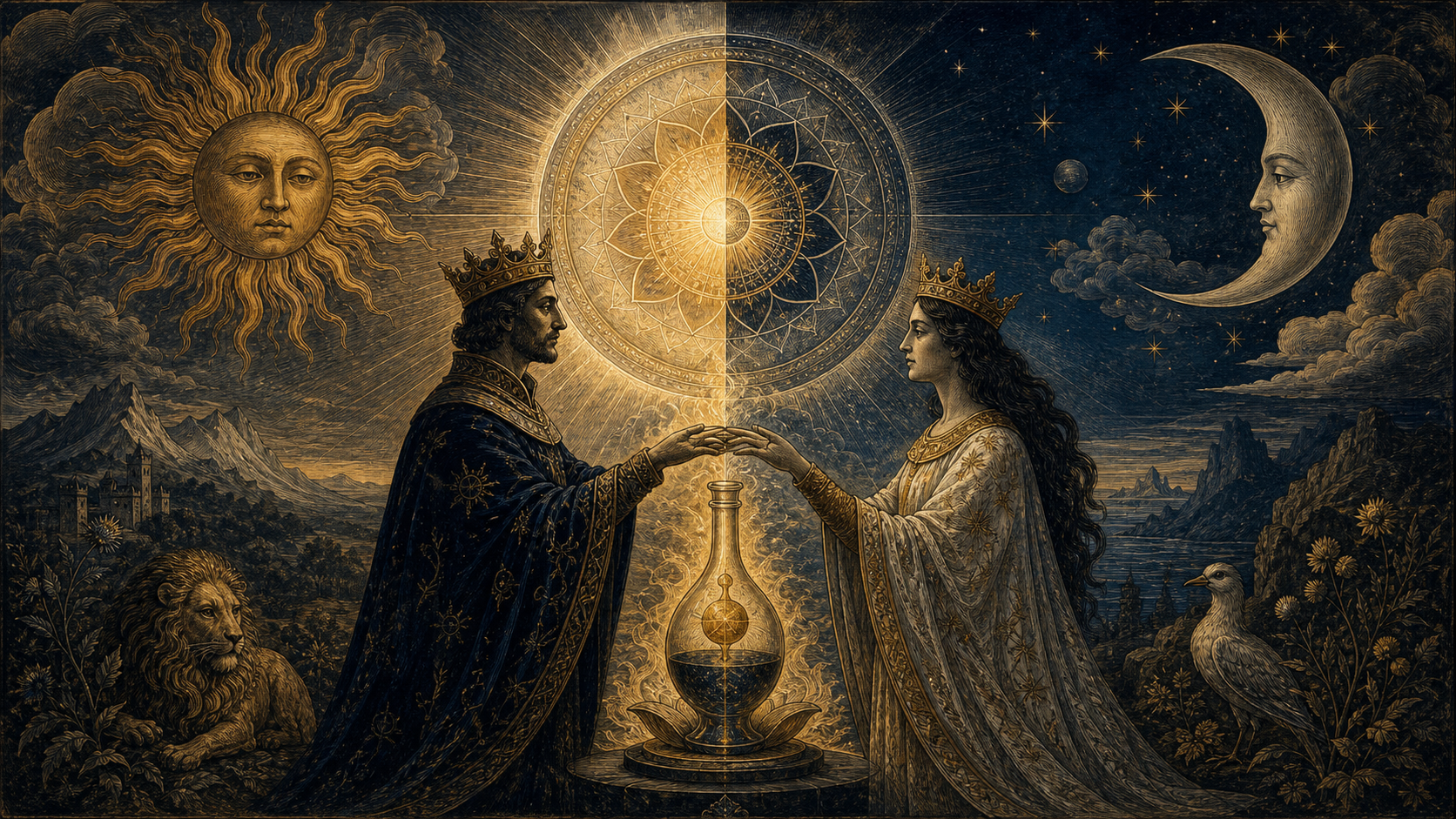
Edward F. Edinger examines the alchemical coniunctio as an image of relationship between psychological opposites and the difficult work of individuation.

Edward F. Edinger reads selected Psalms psychologically, exploring their religious imagery as expressions of psychic conflict, suffering, relationship, and the Self.
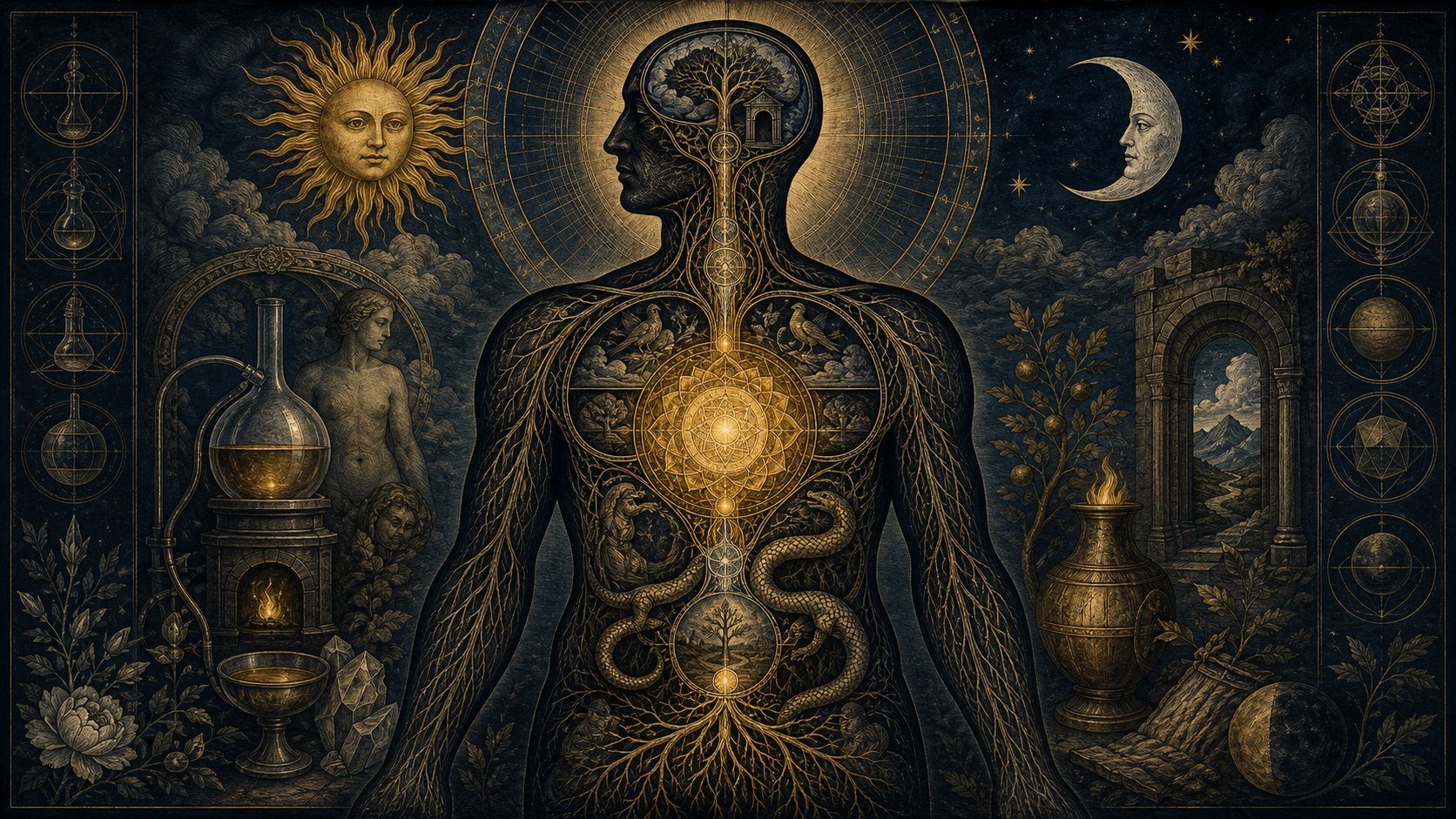
Edward F. Edinger’s Anatomy of the Psyche organizes Western alchemical operations as symbolic parallels for psychological processes while requiring historical and clinical caution.
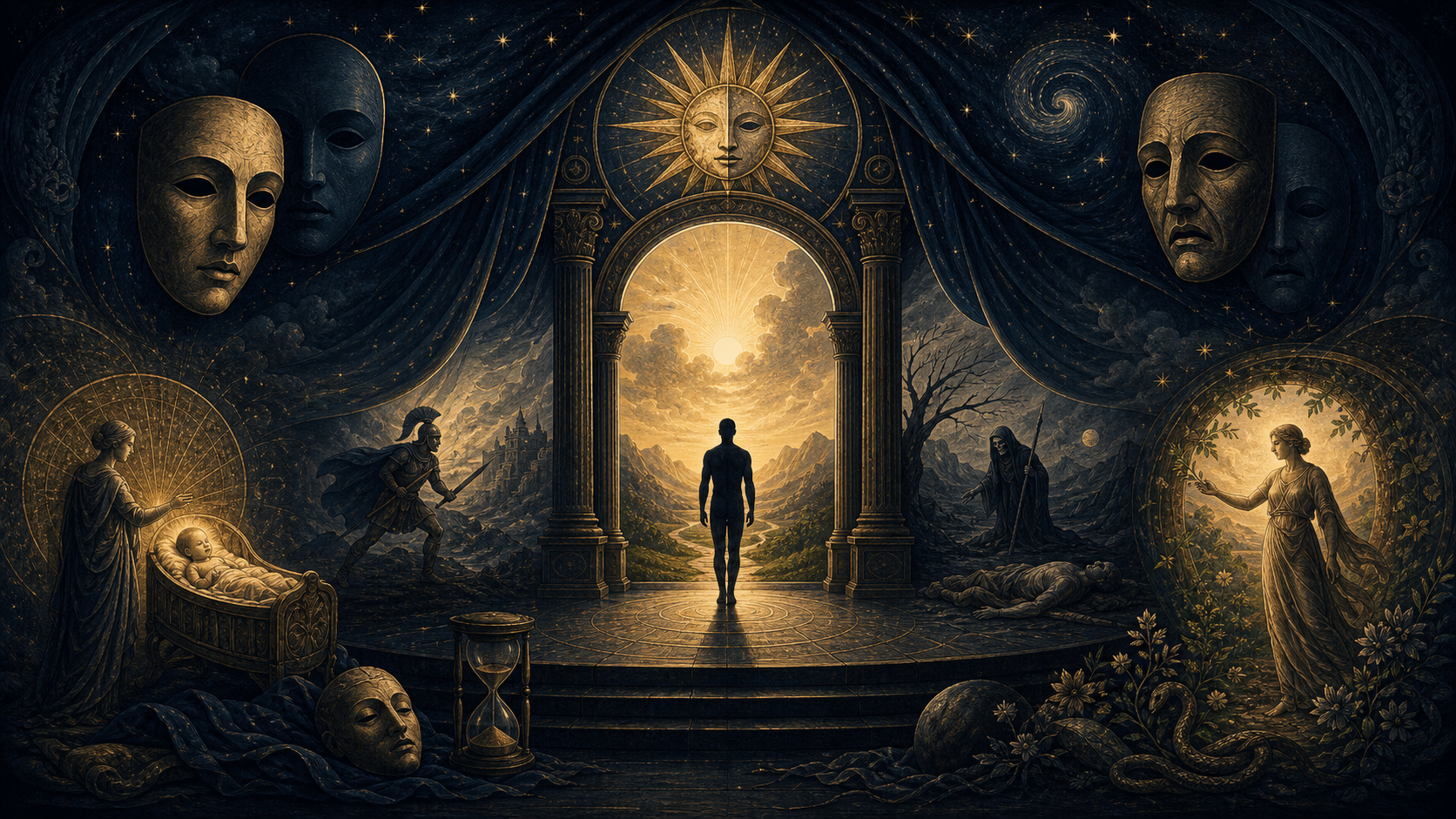
Edward F. Edinger’s The Eternal Drama explores Greek gods, heroes, monsters, myths, and oracles as psychologically meaningful images while requiring historical and cultural care.

Edward F. Edinger’s Ego and Archetype explains the changing relationship between ego and Self through individuation, alienation, inflation, religion, myth, dreams, and symbolic experience.
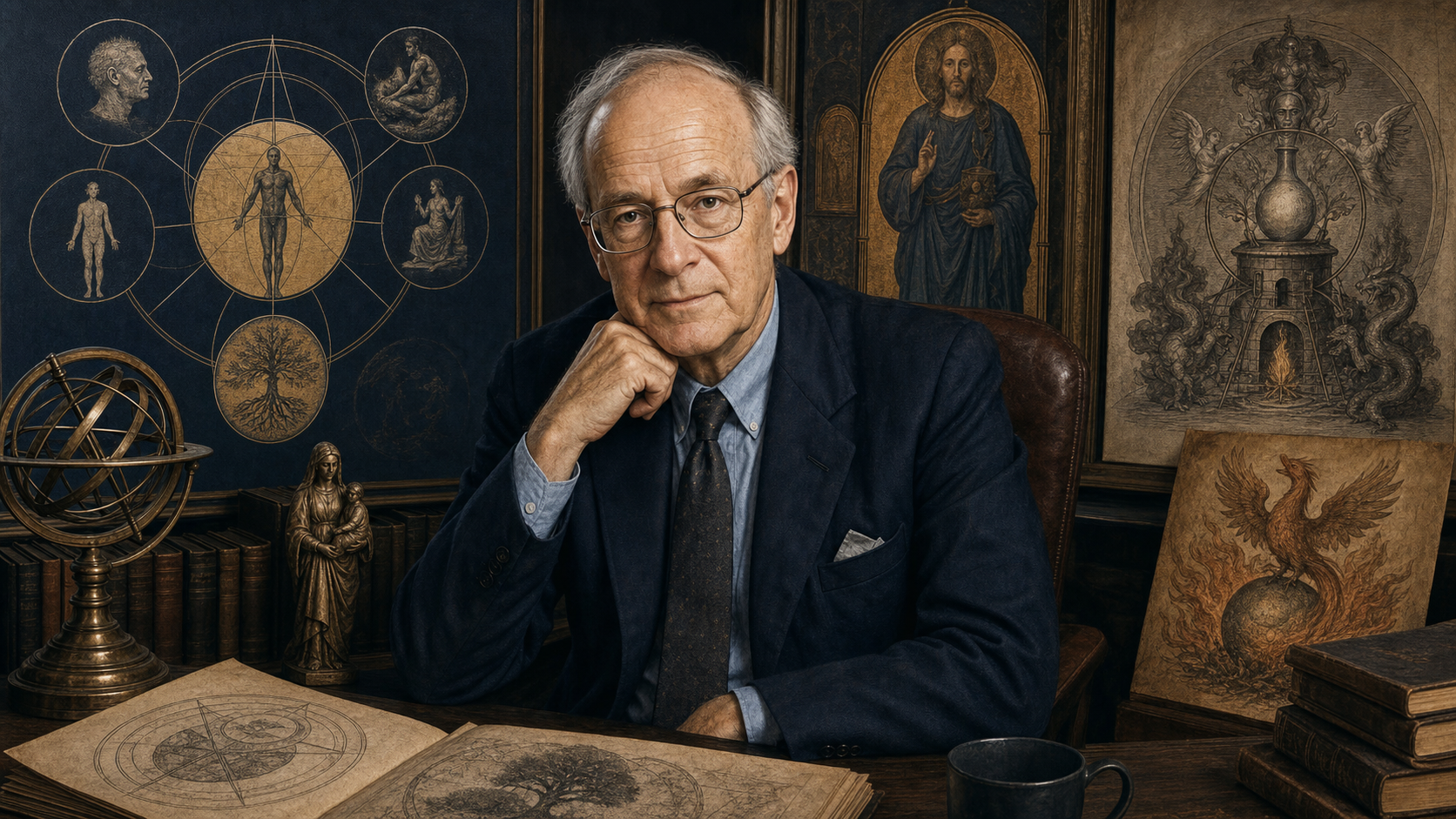
Edward F. Edinger was an American psychiatrist and Jungian analyst known for his writing on the ego–Self relationship, alchemy, religion, mythology, and individuation.
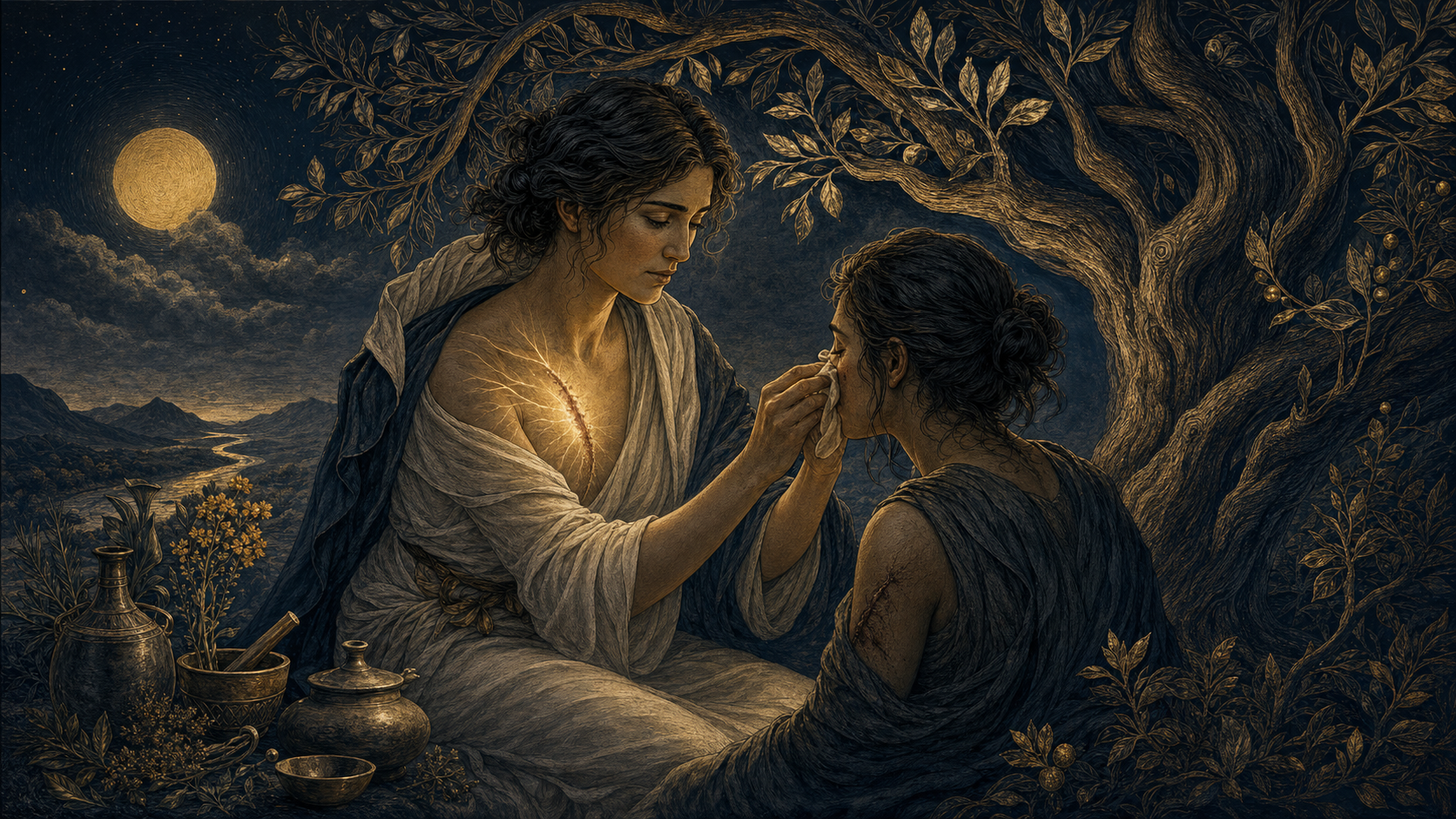
Explore the Wounded Healer archetype through vulnerability, care, projection, professional responsibility, ethical boundaries, and its constructive and shadow forms.
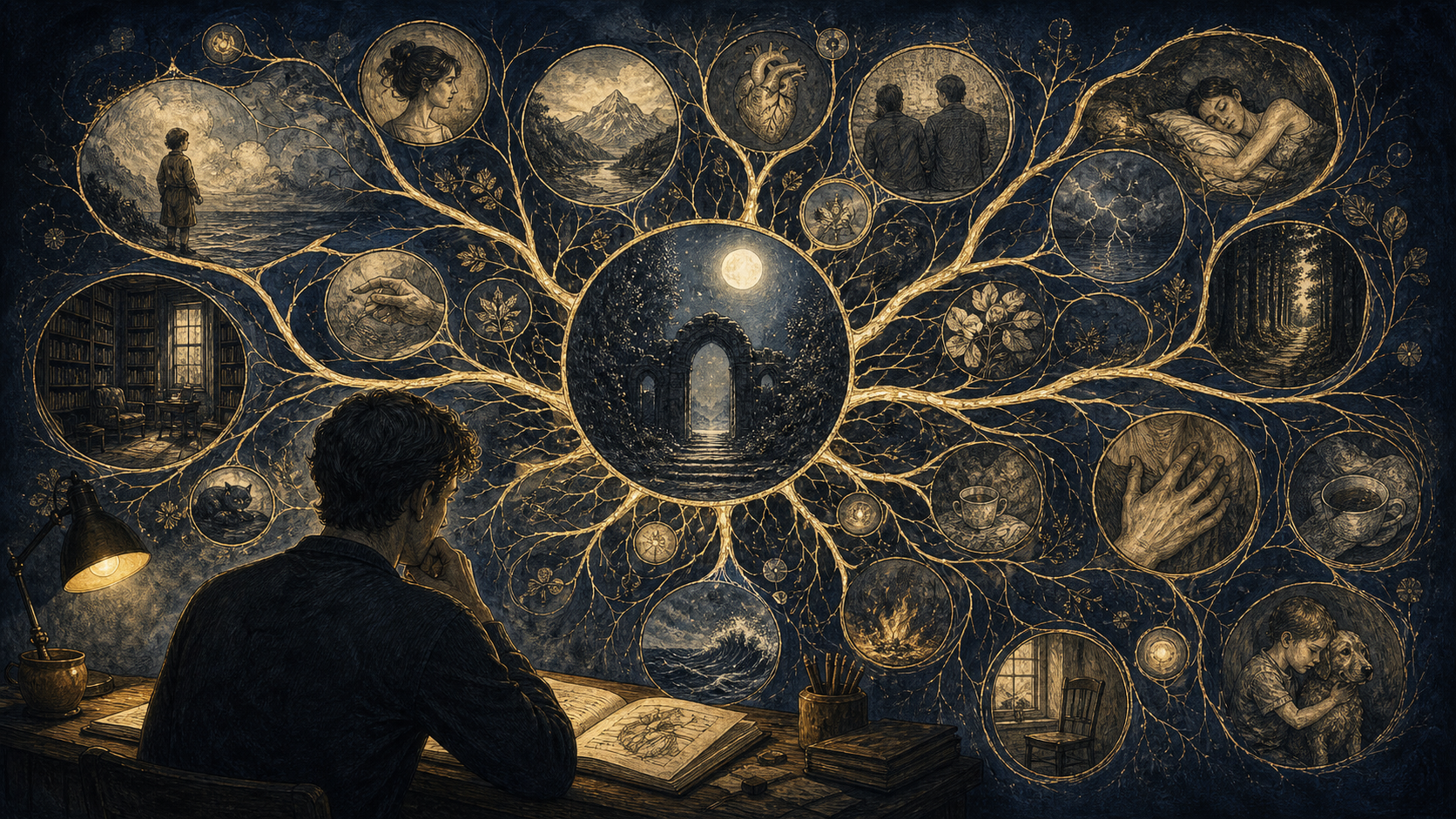
A grounded method for exploring a dreamer’s own memories, feelings, language, culture, and current context before assigning meaning to a dream image.

A critical reading guide to James Hillman’s collected essays on the Senex–Puer polarity of structure and possibility, time and timelessness, authority and renewal.
Search the knowledge base
Search concepts, archetypes, dream symbols, practices, people, books, self-checks, and worksheets.