Dream Symbol
Spider Dream Meaning
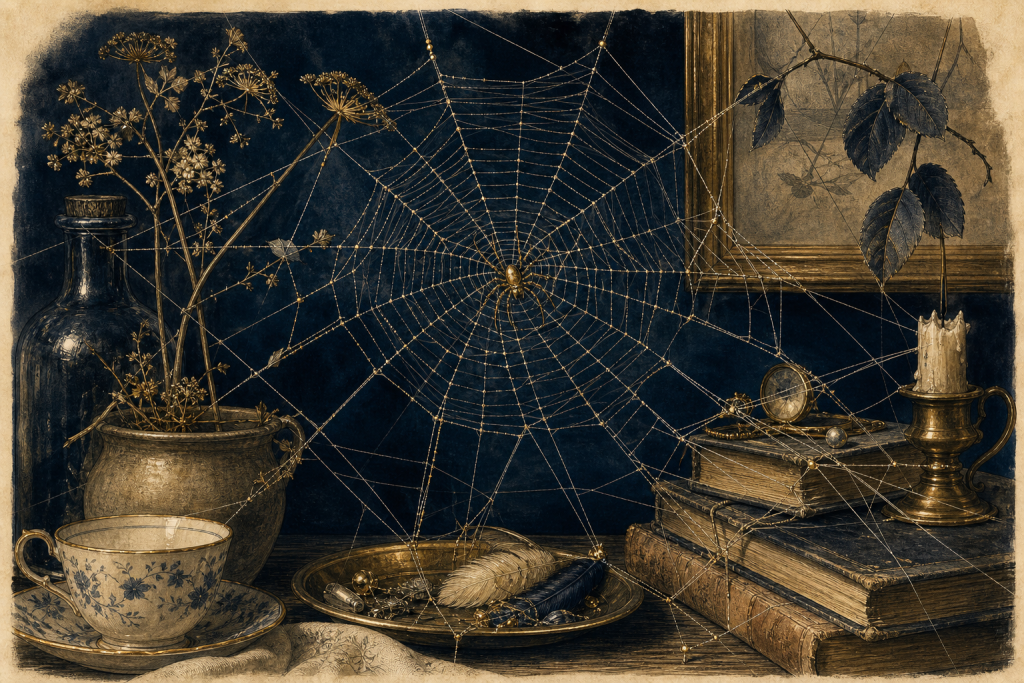
A spider dream may involve creativity, patient construction, entanglement, fear, predation, attention to detail, or an ordinary encounter with spiders.
Symbol Overview
The spider cannot be separated from what it is doing. Building, waiting, biting, hiding, multiplying, or being removed can organize entirely different dream situations.
Possible Contexts
- Building a web: patient construction, connection, craft, strategy, or a system becoming complex.
- Trapped in a web: obligation, entanglement, passivity, or a concrete waking problem.
- Fear without attack: phobia, vigilance, disgust, or projected danger.
- Bite or pursuit: threat, bodily sensation during sleep, conflict, or recent media.
Questions for Reflection
- Was the web beautiful, useful, sticky, damaged, or invisible?
- Did the spider create fear before anything happened?
- What are you patiently constructing—or unable to escape?
- Was there a recent real spider encounter?
Interpretation Caution
Dream images do not have one universal meaning. Begin with the dream’s sequence, emotion, personal associations, current circumstances, culture, recent media, sleep conditions, and bodily experience. Treat symbolic interpretations as hypotheses, not diagnoses, predictions, recovered memories, or facts about another person.
The web is often as important as the spider
A web can be architecture, trap, home, tool, or abandoned structure. Ask whether the dream emphasizes the maker, the network, the prey, or the dreamer’s reaction. A single detail can reverse an interpretation.
Fear deserves a literal check
Spider dreams are common among people who fear spiders. That does not make the dream meaningless, but it means interpretation should include learned fear, recent exposure, seasonal encounters, and bodily sensations during sleep before reaching for mythology.
Archetypal amplification
Stories connect spiders with weaving, fate, creativity, patience, danger, and maternal figures across different cultures. These parallels can broaden questions, but cultural stories are not interchangeable and should never replace personal context.
Scale and number change the question
A single spider quietly repairing a web creates a different problem from hundreds of spiders filling a room. Size, number, visibility, and movement can express the dreamer’s experience of proportion. Ask whether the image feels manageable, fascinating, invasive, fragile, or strangely ordinary.
Creation and entanglement can coexist
The web’s precision may suggest careful work, but the same structure may restrict movement. A project, relationship, or system can be both an achievement and an entanglement. Rather than choosing a positive or negative dictionary meaning, ask what the dream shows about the benefits, costs, and maintenance of the network.
Continue your study
Recommended Reading
Books selected because they directly develop ideas discussed on this page.
Man and His Symbols
Man and His Symbols is an illustrated introduction to dreams, symbols, archetypes, and individuation written by Carl Jung and four close collaborators for general readers.
Memories, Dreams, Reflections
Memories, Dreams, Reflections is a semi-autobiographical account assembled from Carl Jung's recollections, manuscripts, and conversations with editor Aniela Jaffé.
The Archetypes and the Collective Unconscious
The Archetypes and the Collective Unconscious collects major essays in which Carl Jung develops his accounts of archetypes, collective psychic patterns, rebirth, the mother, the child,…
Paid links. As an Amazon Associate I earn from qualifying purchases.
Related Concepts
Complex
In Jungian psychology, a complex is an emotionally charged network of associations that can temporarily influence perception, emotion, and behavior.
Shadow
In Jungian psychology, the shadow is the part of the personality containing qualities, impulses, and capacities that the conscious ego does not recognize or accept as its own.
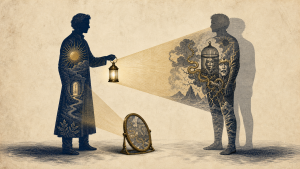
Projection
Projection is the largely unconscious process of experiencing one’s own psychological content as if it belonged primarily or entirely to another person, group, or object.
Related Practices

Jungian Dream Analysis
Jungian dream analysis explores a dream’s personal associations, structure, emotional context, and possible compensatory relationship to conscious life without using fixed symbol definitions.
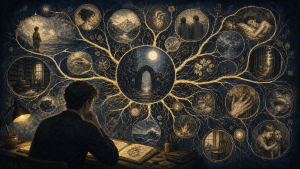
Personal Association in Dream Work
Personal association explores the dreamer’s own memories, feelings, language, culture, sensory responses, and current circumstances around a specific dream image.

Dream Journaling
Dream journaling is the practice of recording dreams promptly and preserving their sequence, atmosphere, images, emotions, and personal associations.
Related Books
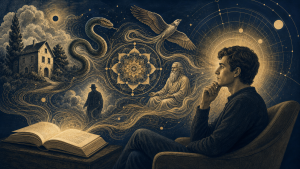
Man and His Symbols
Man and His Symbols is an illustrated introduction to dreams, symbols, archetypes, and individuation written by Carl Jung and four close collaborators for general readers.

Memories, Dreams, Reflections
Memories, Dreams, Reflections is a semi-autobiographical account assembled from Carl Jung's recollections, manuscripts, and conversations with editor Aniela Jaffé.
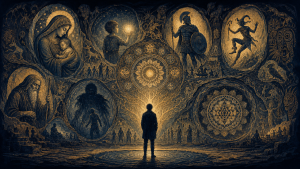
The Archetypes and the Collective Unconscious
The Archetypes and the Collective Unconscious collects major essays in which Carl Jung develops his accounts of archetypes, collective psychic patterns, rebirth, the mother, the child, and individuation.