Dream Symbol
Fire Dream Meaning
Fire dreams may involve warmth, anger, danger, destruction, purification, energy, transformation, renewal, or a recent real-world concern.
Symbol Overview
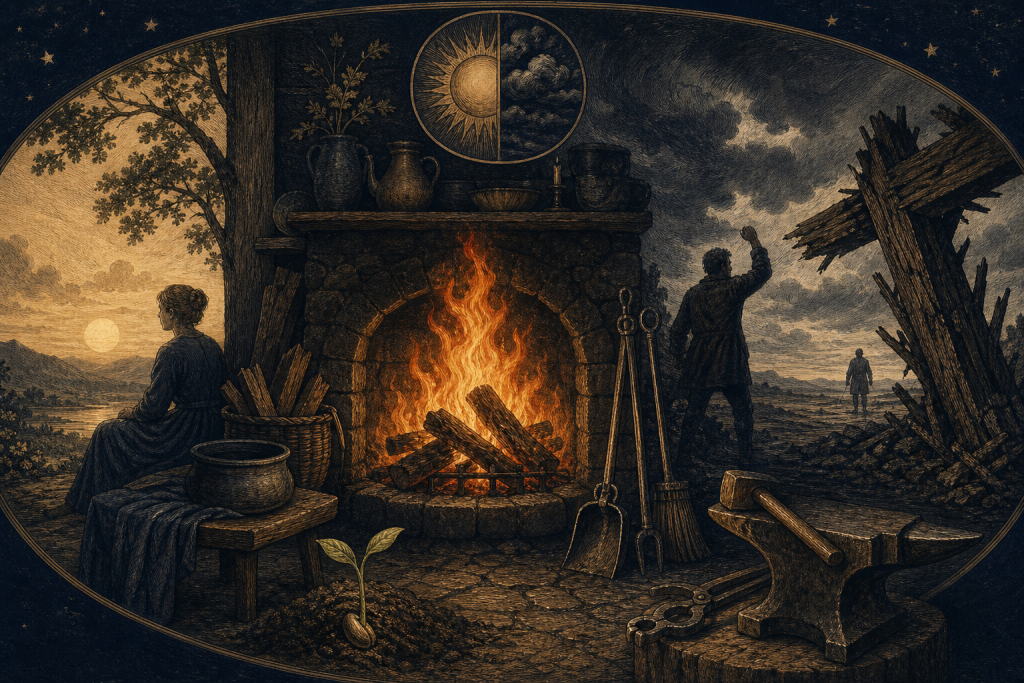
Fire is useful and dangerous. A candle, hearth, wildfire, burning house, extinguished flame, and controlled forge should not be interpreted as versions of one symbol.
Possible Contexts
- Hearth or stove: warmth, home, maintenance, nourishment, or contained energy.
- Wildfire: danger, rapid change, anger, helplessness, ecological concern, or recent news.
- Burning object: transformation, loss, destruction, release, or a specific association with the object.
- Lighting or tending fire: beginning, care, motivation, ritual, creativity, or responsibility.
Questions for Reflection
- Was the fire contained?
- What did it warm, illuminate, damage, or change?
- Who tended it or failed to respond?
- What is your personal history with fire?
- Were smoke, heat, alarms, illness, or recent news present in waking life?
Interpretation Caution
Dream images do not have one universal meaning. Begin with the dream’s sequence, emotion, personal associations, current circumstances, culture, recent media, sleep conditions, and bodily experience. Treat symbolic interpretations as hypotheses, not diagnoses, predictions, recovered memories, or facts about another person. If a smoke alarm, heat source, or possible fire hazard may be present, wake fully and check physical safety first.
Containment changes the image
Contained fire can cook, warm, illuminate, and transform material. Uncontained fire can overwhelm distinctions and destroy what sustains life. The dream’s boundaries—fireplace, forest edge, locked room, open field—are therefore central.
Anger is possible, not automatic
Fire commonly expresses anger in language and imagery, but a dream flame may equally connect with desire, urgency, creativity, grief, purification, or a literal concern. Identify the action and emotion before choosing the metaphor.
Transformation includes cost
Symbolic discussions often romanticize fire as transformation. Real transformation may involve loss, irreversibility, responsibility, and rebuilding. Ask what survives, who is affected, and what the dream requires after the flames subside.
Who responds to the fire?
A dream may emphasize the person who starts, tends, ignores, fights, watches, or escapes the fire. These roles can direct attention toward responsibility and relationship. A calm witness, frantic rescuer, careless authority, and competent firefighter create different emotional and ethical situations.
What remains after the fire?
Ash, intact foundations, new growth, ruined documents, warmth, smoke, or an extinguished ember can shift the center of the dream. Destruction may be final, preventable, cleansing, or followed by rebuilding. Interpretation should include loss and consequence rather than treating every burning image as an inspirational promise of rebirth.
Continue your study
Recommended Reading
Books selected because they directly develop ideas discussed on this page.
Man and His Symbols
Man and His Symbols is an illustrated introduction to dreams, symbols, archetypes, and individuation written by Carl Jung and four close collaborators for general readers.
Memories, Dreams, Reflections
Memories, Dreams, Reflections is a semi-autobiographical account assembled from Carl Jung's recollections, manuscripts, and conversations with editor Aniela Jaffé.
The Archetypes and the Collective Unconscious
The Archetypes and the Collective Unconscious collects major essays in which Carl Jung develops his accounts of archetypes, collective psychic patterns, rebirth, the mother, the child,…
Paid links. As an Amazon Associate I earn from qualifying purchases.
Related Concepts
Shadow
In Jungian psychology, the shadow is the part of the personality containing qualities, impulses, and capacities that the conscious ego does not recognize or accept as its own.
Psychological Opposites
Psychological opposites are conflicting conscious and unconscious positions whose tension can reveal one-sidedness and support development.
Related Practices

Jungian Dream Analysis
Jungian dream analysis explores a dream’s personal associations, structure, emotional context, and possible compensatory relationship to conscious life without using fixed symbol definitions.
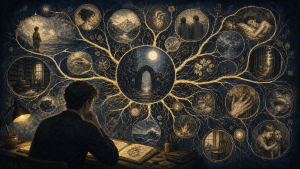
Personal Association in Dream Work
Personal association explores the dreamer’s own memories, feelings, language, culture, sensory responses, and current circumstances around a specific dream image.

Dream Journaling
Dream journaling is the practice of recording dreams promptly and preserving their sequence, atmosphere, images, emotions, and personal associations.
Related Books
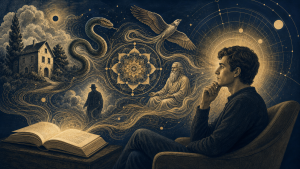
Man and His Symbols
Man and His Symbols is an illustrated introduction to dreams, symbols, archetypes, and individuation written by Carl Jung and four close collaborators for general readers.

Memories, Dreams, Reflections
Memories, Dreams, Reflections is a semi-autobiographical account assembled from Carl Jung's recollections, manuscripts, and conversations with editor Aniela Jaffé.
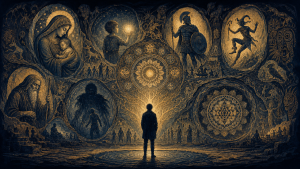
The Archetypes and the Collective Unconscious
The Archetypes and the Collective Unconscious collects major essays in which Carl Jung develops his accounts of archetypes, collective psychic patterns, rebirth, the mother, the child, and individuation.