Psychologist
Emma Jung
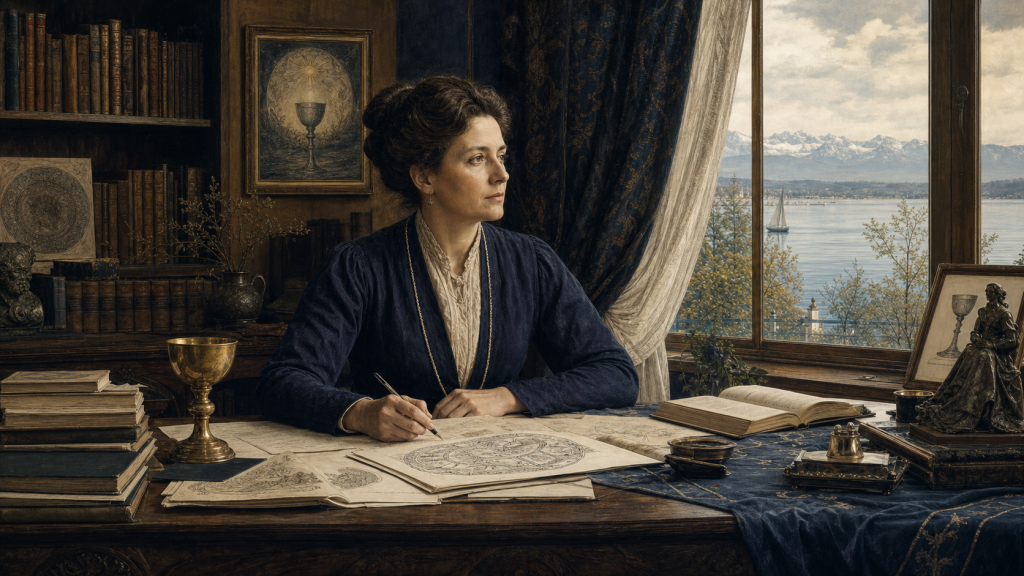
Emma Jung was a Swiss Jungian analyst and author known for her work on the anima and animus, the Grail legend, and the early analytical psychology movement.
Known For
Jungian analysis; writing on anima and animus; study of the Grail legend; and participation in the early analytical psychology movement.
Biography
Emma Rauschenbach married Carl Jung in 1903. Alongside family and institutional responsibilities, she studied psychology, practiced analysis, lectured, and developed major works on inner figures and Grail symbolism.
Key Ideas
- Anima and animus as inner psychological figures
- Grail symbolism and transformation
- Relationship between mythic narrative and psychological development
- Classical analytical psychology
Who Was Emma Jung?
Emma Jung, born Emma Rauschenbach, was a Swiss analyst, author, and important participant in the development of analytical psychology. She was married to Carl Jung, maintained her own intellectual and analytical work, and lectured at the C. G. Jung Institute Zürich.
Analytical Work
Emma Jung developed expertise in the psychology of the anima and animus. Her writing helped systematize ideas that remain historically significant but require modern criticism of their binary gender assumptions.
The Grail Legend
Her long study of the Grail material examined medieval narratives through Jungian themes of symbolism, transformation, relationship, and the search for wholeness. Marie-Louise von Franz completed and prepared the work after Emma Jung’s death.
Historical Position
Accounts of Emma Jung should not reduce her either to Jung’s wife or to a supporting character in his biography. She was financially, institutionally, intellectually, and personally significant to the early movement while developing an independent body of work.
Reading Her Today
Her texts offer direct access to classical Jungian theory. Readers should distinguish historical contribution from contemporary evidence and should not universalize gender roles embedded in early twentieth-century European culture.
Authorship and Attribution
Emma Jung’s work should be cited under her own name rather than absorbed into a generic account of “Jungian ideas.” Her publications reflect her interpretations, historical setting, and areas of study. Where a concept also appears in Carl Jung’s writing, readers should compare the texts instead of assuming one simply repeats the other. Clear attribution makes the early analytical-psychology community more accurate and keeps women collaborators from disappearing behind institutional or marital relationships.
Sources
- IAAP historical context for Jung’s inner work
- Biographical dates cross-checked against library and historical authority records.
What Books Did Emma Jung Write?
Emma Jung is chiefly associated with Animus and Anima and The Grail Legend. The first develops classical Jungian accounts of inner contrasexual figures. The second studies Grail narratives through symbolism, relationship, and psychological development; Marie-Louise von Franz completed the work after Emma Jung’s death.
Both books remain historically important, but their claims about gender should be read critically rather than treated as timeless psychological facts. Start with the site’s explanations of anima and animus for the terminology and its limitations.
Emma Jung and the Early Zürich Circle
Emma Jung’s intellectual work developed within the same early analytical-psychology community as Toni Wolff, Jolande Jacobi, and Aniela Jaffé. Reading these figures together prevents the history of the movement from collapsing into Carl Jung’s biography alone.
Continue your study
Recommended Reading
Books selected because they directly develop ideas discussed on this page.
Aion: Researches into the Phenomenology of the Self
Aion is Jung’s advanced study of the Self, the shadow, opposites, and the religious, astrological, Gnostic, and alchemical symbols of psychological totality.
Man and His Symbols
Man and His Symbols is an illustrated introduction to dreams, symbols, archetypes, and individuation written by Carl Jung and four close collaborators for general readers.
Memories, Dreams, Reflections
Memories, Dreams, Reflections is a semi-autobiographical account assembled from Carl Jung's recollections, manuscripts, and conversations with editor Aniela Jaffé.
Paid links. As an Amazon Associate I earn from qualifying purchases.
Related Concepts
Individuation
Individuation is Jung’s term for the lifelong process of becoming a more differentiated and integrated psychological whole.
Self
The Self is Jung’s concept of the whole psyche—conscious and unconscious—and the archetypal principle of its organization, development, and potential integration.
Archetype
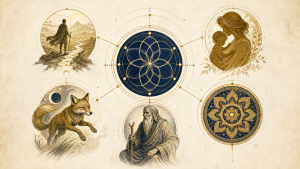
An archetype is an inherited organizing pattern in Jung’s theory that can shape recurring forms of imagery, emotion, perception, and behavior without prescribing one fixed image.
Anima
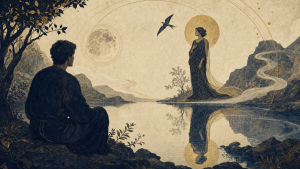
Anima is Jung’s historical term for an inner feminine archetypal figure in a man, associated with feeling, relationship, imagery, and mediation between consciousness and the unconscious.
Animus
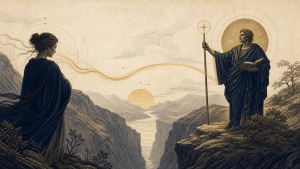
Animus is Jung’s historical term for an inner masculine archetypal figure in a woman, associated with opinion, agency, meaning, and mediation between consciousness and the unconscious.
Transcendent Function
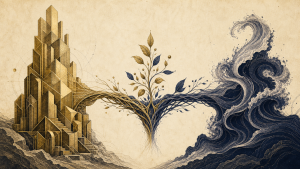
The transcendent function is the new psychological attitude or symbolic possibility that can emerge when conscious and unconscious positions are held in genuine dialogue.
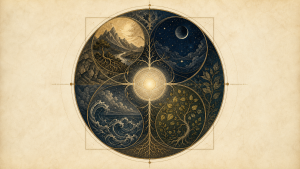
Mandala
A mandala is a centered, often circular symbolic form that Jung associated with psychic order, wholeness, containment, and the Self.
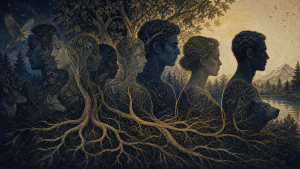
Participation Mystique
Participation mystique is a Jungian term for an unconscious state of identity in which the boundary between subject and object, self and other, is insufficiently differentiated.
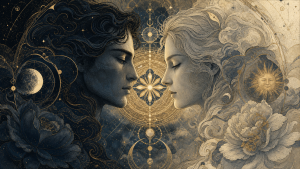
Anima and Animus
Anima and animus are Jung’s historically gendered terms for inner otherness, relational projection, and qualities excluded from conscious identity.
Related Books
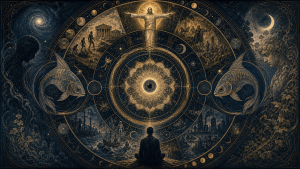
Aion: Researches into the Phenomenology of the Self
Aion is Jung’s advanced study of the Self, the shadow, opposites, and the religious, astrological, Gnostic, and alchemical symbols of psychological totality.
Man and His Symbols
Man and His Symbols is an illustrated introduction to dreams, symbols, archetypes, and individuation written by Carl Jung and four close collaborators for general readers.
Memories, Dreams, Reflections
Memories, Dreams, Reflections is a semi-autobiographical account assembled from Carl Jung's recollections, manuscripts, and conversations with editor Aniela Jaffé.
The Red Book: Liber Novus
The Red Book: Liber Novus records and artistically develops Carl Jung's confrontation with inner figures and images during a formative period of his psychology.
The Archetypes and the Collective Unconscious
The Archetypes and the Collective Unconscious collects major essays in which Carl Jung develops his accounts of archetypes, collective psychic patterns, rebirth, the mother, the child, and individuation.
Related Practices
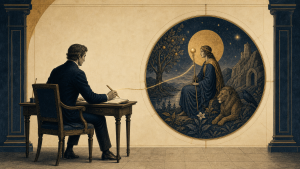
Active Imagination
Active imagination is Jung’s method of consciously engaging emerging images, emotions, or figures through sustained attention and expression while preserving awareness and judgment.
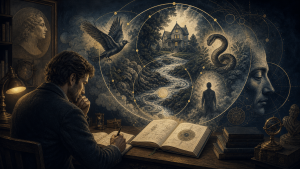
Jungian Dream Analysis
Jungian dream analysis explores a dream’s personal associations, structure, emotional context, and possible compensatory relationship to conscious life without using fixed symbol definitions.
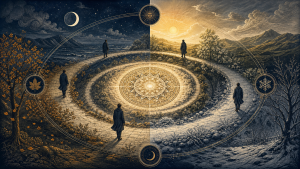
Circumambulation
Circumambulation is a Jungian method of staying close to one image while examining it repeatedly from different personal, emotional, symbolic, and practical viewpoints.